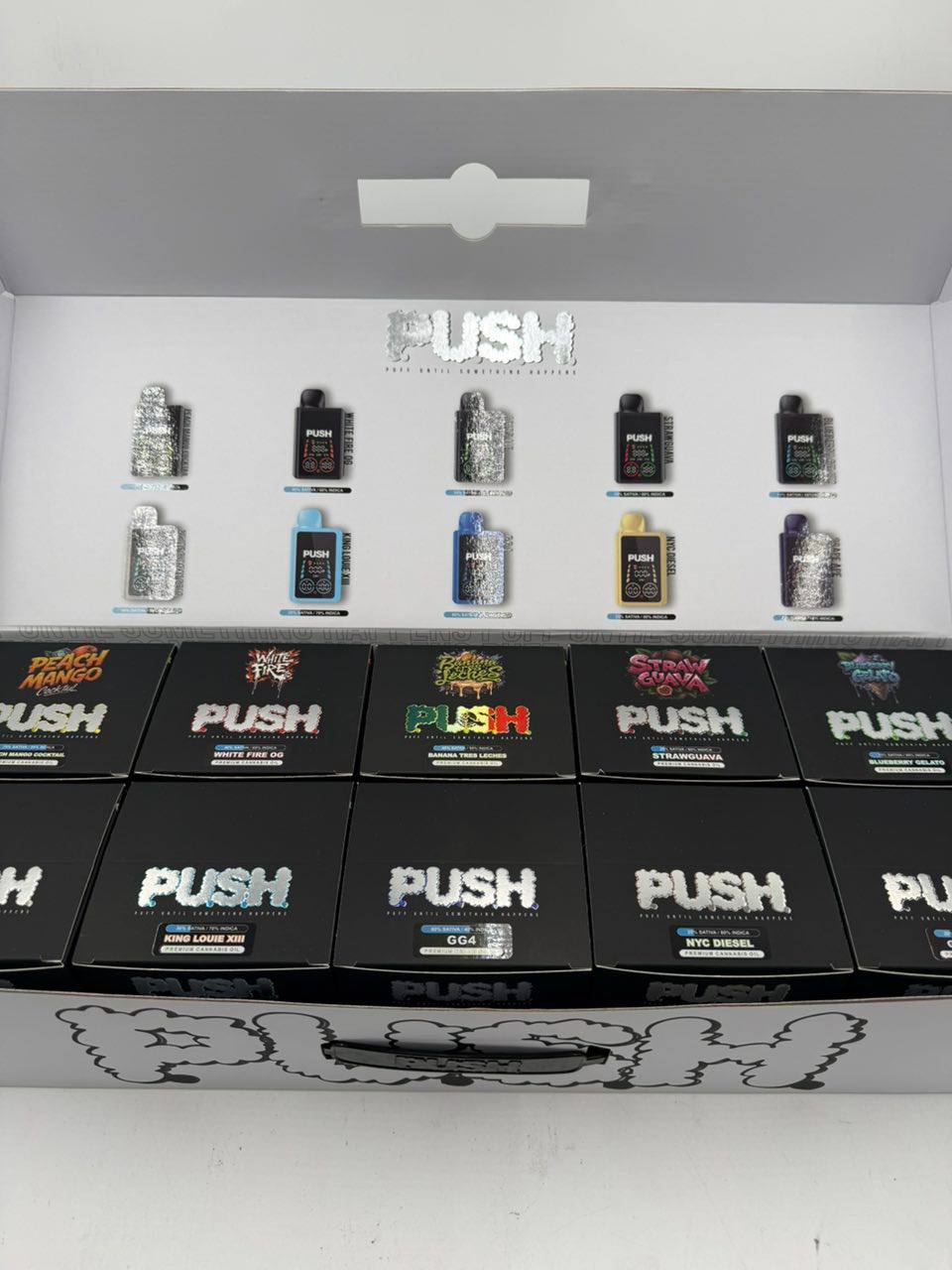

Push 2G Disposable Mexico Edition: Product Overview
Introduction
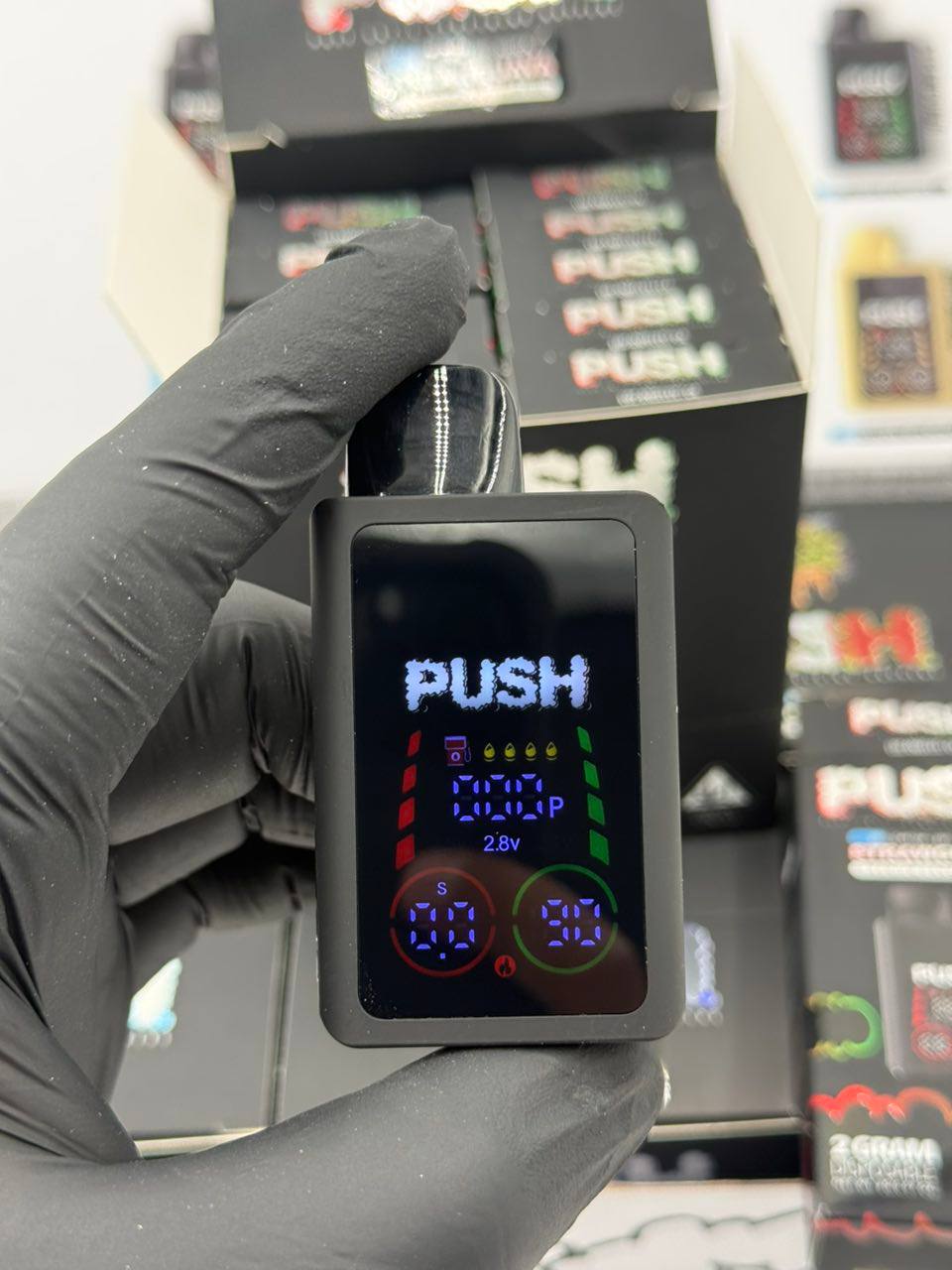
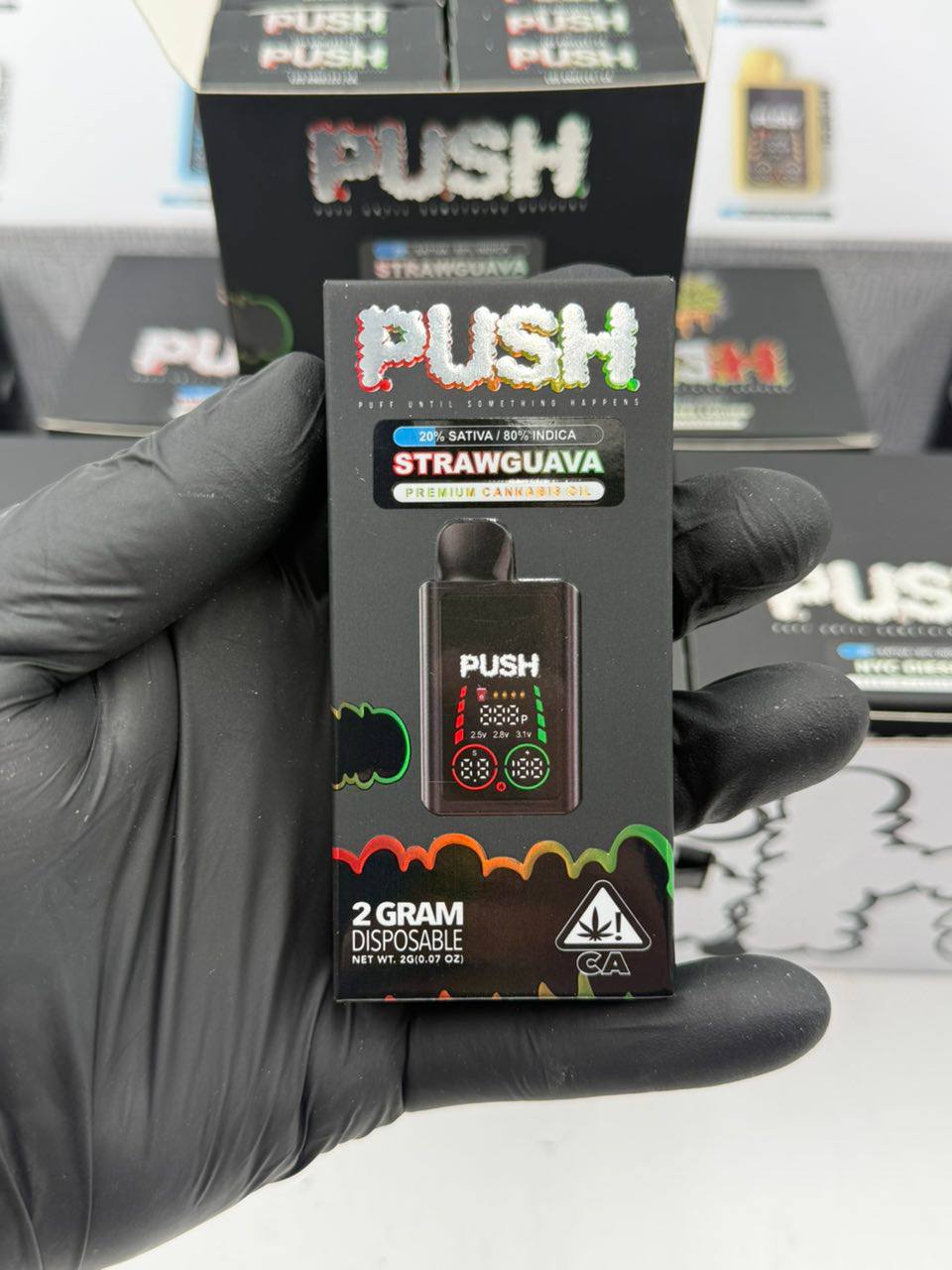
The Push 2G Disposable Mexico Edition is a portable vaping device designed for convenience and ease of use. This edition features a compact design, making it suitable for users who prefer a ready–to-use device that does not require charging, refilling, or extensive maintenance before operation.
The device incorporates a pre-filled reservoir and an integrated battery system within a lightweight housing. As a result, users can access a simple vaping experience without the need for additional accessories or complicated setup procedures.
Design and Build Quality
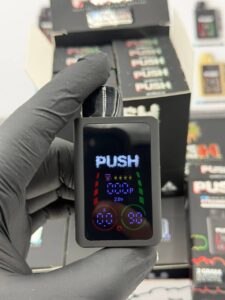
The Mexico Edition showcases a sleek exterior with a modern appearance. Its compact profile allows for comfortable portability, while the ergonomic shape contributes to a secure grip during use.
Manufacturers often focus on durability and consistency when producing disposable vape devices. Therefore, the housing is typically constructed from materials selected to withstand normal daily handling while maintaining a lightweight feel.
Portability
One of the most noticeable characteristics of the device is its portability. The compact dimensions make it easy to carry in a pocket, bag, or small storage compartment.
Additionally, the all-in-one construction eliminates the need to transport separate batteries, tanks, or charging equipment. Consequently, the device remains convenient for individuals who prioritize simplicity.
User Experience
Disposable vape devices are generally designed with ease of use in mind. The Push 2G Disposable Mexico Edition follows this trend by incorporating a straightforward operating system.
Many disposable devices utilize draw-activated technology. As a result, the user can activate the device through inhalation rather than pressing buttons or navigating settings.
Furthermore, the simplified design reduces the learning curve often associated with more advanced vaping systems.
Battery Technology
An integrated battery powers the device throughout its intended lifespan. The battery is engineered to support consistent performance while balancing size and efficiency.
Because the battery is built into the device, users do not need to purchase separate power components. This approach contributes to the streamlined nature of disposable vape products.
Flavor and Vapor Production
Flavor quality and vapor production are often important considerations for vape users. The device is designed to provide a consistent experience throughout normal operation.
Moreover, airflow and heating components work together to support smooth vapor delivery. These design elements help maintain performance consistency from the beginning of use until the device reaches the end of its lifecycle.
Convenience Features
Convenience remains a defining feature of disposable vaping products. The Push 2G Disposable Mexico Edition combines multiple components into a single unit, reducing maintenance requirements.
In addition, users do not need to refill reservoirs, replace coils, or perform extensive cleaning. Therefore, the overall experience remains straightforward and accessible.
Storage Considerations
Proper storage can contribute to device longevity and performance consistency. Keeping the device in a cool, dry environment helps protect internal components from unnecessary exposure to extreme temperatures or moisture.
Likewise, storing the device away from direct sunlight may help preserve overall product integrity.
Product Category Overview
Disposable vaping devices continue to occupy a significant segment of the broader vaping market. Their popularity is often linked to portability, simplicity, and minimal maintenance requirements.
The Push 2G Disposable Mexico Edition represents a product within this category that emphasizes convenience and compact design while maintaining a user-friendly experience.
The Push 2G Disposable Mexico Edition is a compact disposable vaping device designed around portability, convenience, and ease of use. Its integrated construction, lightweight form factor, and simplified operation contribute to an accessible vaping experience for adult users interested in disposable device formats.
Manufacturing Considerations
Manufacturers of disposable vaping devices typically focus on consistency, safety testing, and quality control throughout the production process. Various stages of manufacturing may include component sourcing, assembly, battery integration, and final product inspection.
Quality assurance procedures are often implemented to verify that devices meet established specifications. These procedures can include airflow testing, battery performance assessments, and visual inspections. Consequently, manufacturers aim to reduce defects and improve overall reliability.
Additionally, production facilities may adopt standardized manufacturing protocols to maintain consistency across large production runs. Such practices help ensure that each device performs similarly under normal operating conditions.
Evolution of Disposable Vape Devices
Disposable vape technology has evolved significantly over recent years. Earlier devices often featured limited battery capacity and smaller liquid reservoirs. However, advances in battery efficiency and component design have allowed manufacturers to develop products with improved longevity and performance.
Furthermore, modern disposable devices frequently incorporate enhanced airflow systems and more efficient heating elements. These developments have contributed to smoother vapor production and more consistent operation.
As technology continues to advance, manufacturers are likely to explore additional improvements in battery efficiency, materials, and device durability.
Component Integration
One defining characteristic of disposable vape devices is the integration of multiple components into a single housing. This design approach combines the battery, heating system, airflow pathway, and liquid reservoir within a compact structure.
Because all essential components are preassembled, users generally experience a simplified product compared to refillable alternatives. Moreover, integrated designs reduce the number of external parts that require maintenance or replacement.
This streamlined construction remains one of the primary reasons disposable devices have gained popularity within the broader vaping category.
Battery Efficiency and Performance
Battery technology plays a central role in disposable vape device performance. Manufacturers typically select battery capacities that align with the intended lifespan of the product.
In addition, power management systems may be incorporated to support stable operation throughout the device’s usage period. These systems help regulate energy delivery to the heating element while promoting consistent vapor production.
As battery technology advances, future disposable devices may continue to benefit from improvements in energy density and overall efficiency.
Portability in Modern Vape Design
Portability remains a major consideration in contemporary vape design. Consumers often seek products that are lightweight, compact, and easy to transport.
Therefore, manufacturers frequently prioritize ergonomic designs that fit comfortably into pockets, bags, and small storage compartments. The result is a category of products that emphasizes mobility and convenience.
Moreover, integrated construction eliminates the need to carry separate batteries or accessories, further enhancing portability.
Market Trends
The vaping industry continues to evolve in response to changing consumer preferences, technological developments, and regulatory requirements. Disposable devices represent one segment of a diverse marketplace that includes refillable systems, pod-based devices, and advanced personal vaporizers.
Industry participants often monitor trends related to sustainability, battery technology, and product design. Consequently, manufacturers may adapt their offerings to align with emerging expectations and market demands.
Storage and Maintenance Awareness
Although disposable devices require less maintenance than refillable systems, proper handling remains important. Storing devices in suitable environmental conditions can help preserve functionality and protect internal components.
Likewise, users should review product documentation for information regarding handling, storage recommendations, and disposal procedures. Following manufacturer guidance contributes to a safer and more informed user experience.
Future Outlook
Innovation continues to shape the vaping industry. Advances in materials, battery systems, and manufacturing processes are expected to influence future product development.
As a result, disposable devices may continue to evolve in terms of efficiency, portability, and overall design. Manufacturers will likely explore new approaches that balance convenience with performance while addressing changing consumer expectations.
Summary
Disposable vape devices have become a prominent product category due to their simplicity, portability, and integrated design. Through advancements in manufacturing, battery technology, and component engineering, modern devices offer a streamlined experience that differs from traditional refillable systems.
The Push 2G Disposable Mexico Edition belongs to this broader category of portable vaping products and reflects many of the design principles that characterize contemporary disposable device development.
Design Trends in Disposable Vape Devices
Product designers continuously explore ways to improve the appearance and functionality of disposable vaping devices. As consumer expectations evolve, manufacturers often focus on balancing aesthetics with practicality.
Modern devices frequently feature streamlined silhouettes, smooth finishes, and compact dimensions. These characteristics contribute to a contemporary appearance while maintaining portability. In addition, ergonomic considerations play an important role in product development. Rounded edges and comfortable grip zones can enhance handling during everyday use.
Another notable trend involves the use of lightweight materials. Manufacturers often seek materials that provide durability without significantly increasing product weight. Consequently, many disposable devices remain easy to carry throughout the day.
Airflow Engineering
Airflow design significantly influences the overall vaping experience. Engineers carefully evaluate airflow pathways to support smooth inhalation and consistent vapor production.
A well-designed airflow system can help maintain balance between draw resistance and vapor output. Furthermore, optimized airflow may contribute to more uniform heating within the device. As a result, users often experience greater consistency throughout the product’s intended lifespan.
Manufacturers continue to refine airflow configurations as new technologies emerge. Therefore, airflow engineering remains a key area of innovation within the industry.
Heating Technology
Heating components serve as one of the most important elements in any vaping device. These components convert electrical energy into heat, which enables vapor generation.
Advancements in heating technology have contributed to improvements in efficiency and consistency. Many modern devices are designed to deliver stable heating performance while minimizing unnecessary energy consumption.
Additionally, manufacturers frequently evaluate new materials and engineering approaches to enhance durability. Consequently, heating systems continue to evolve alongside broader developments in vaping technology.
Consumer Preferences
Consumer preferences often shape product development strategies across the vaping market. Portability, convenience, and ease of use remain among the most frequently cited considerations.
Many users appreciate products that require minimal setup and maintenance. Therefore, disposable devices continue to attract attention within the marketplace. At the same time, design quality and reliability often influence purchasing decisions.
Furthermore, consumers increasingly value products that combine functionality with a visually appealing design. This trend has encouraged manufacturers to invest in both engineering and aesthetics.
Product Packaging
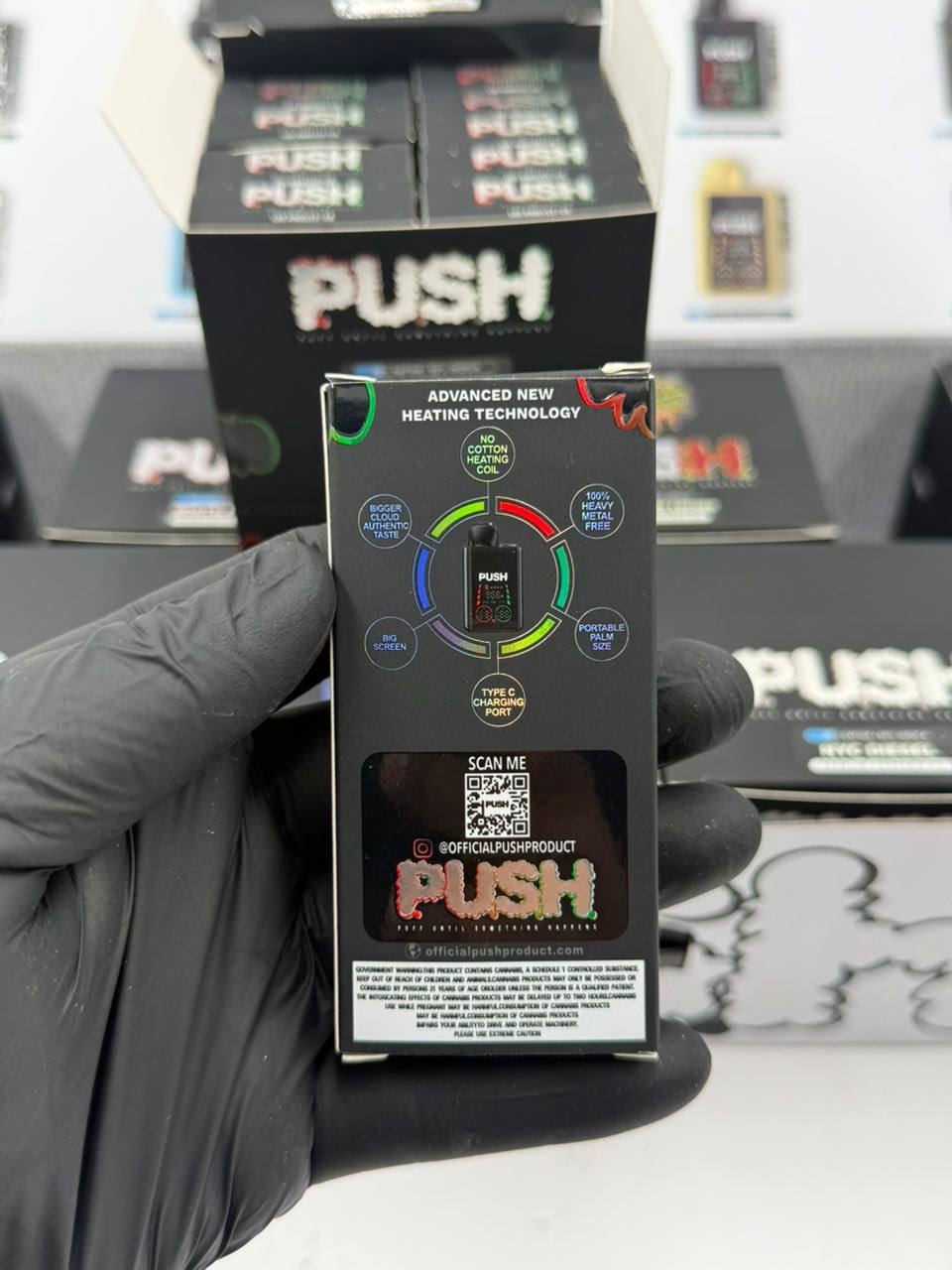
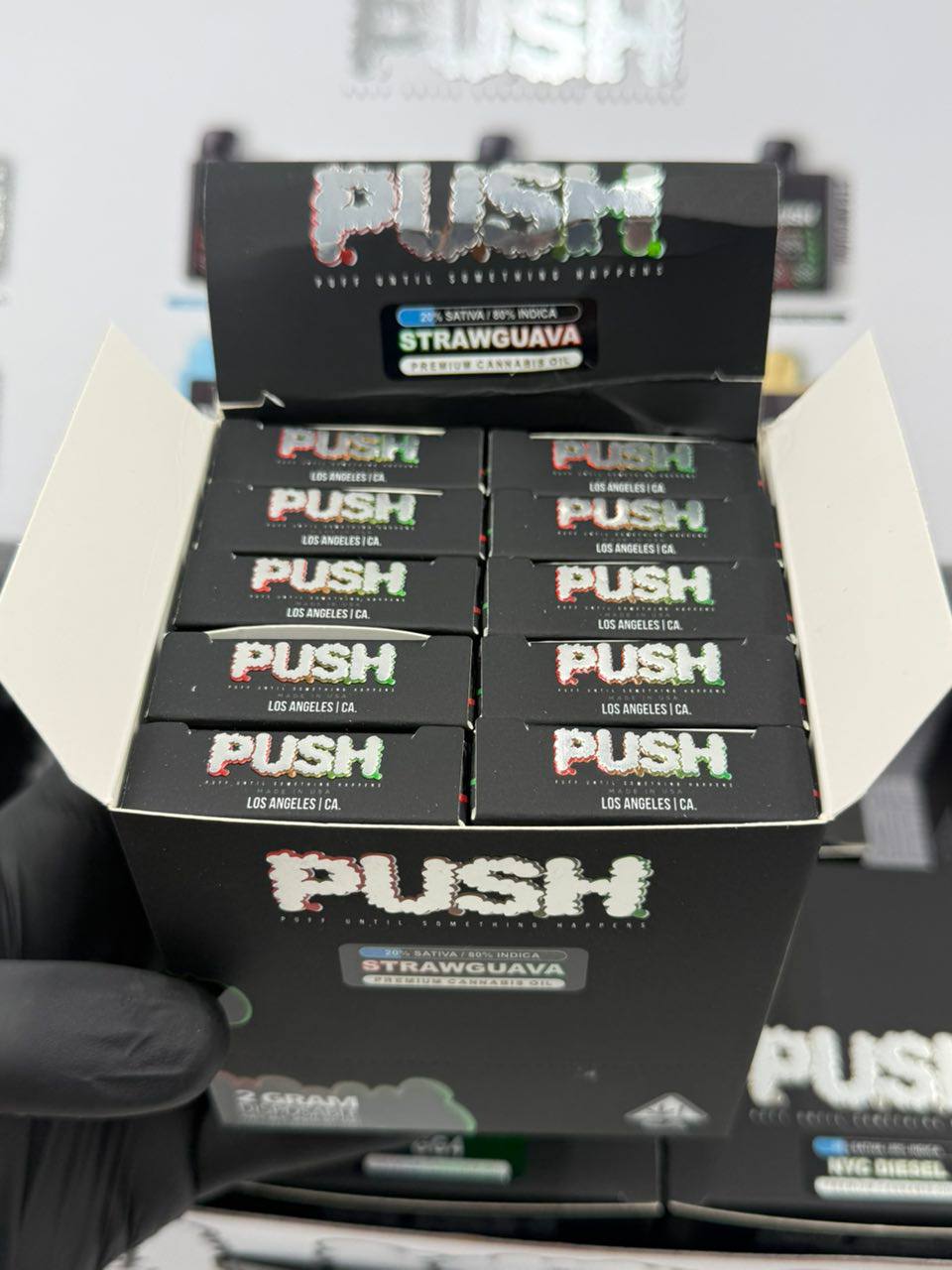
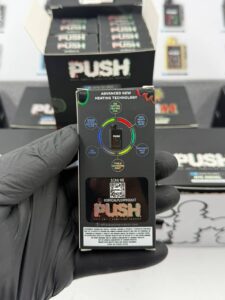
Packaging serves several important purposes beyond visual presentation. Protective packaging helps safeguard products during transportation and storage. In addition, packaging often contains information related to product specifications, usage guidance, and safety considerations.
Manufacturers may also use packaging to communicate brand identity and product differentiation. Consequently, packaging design remains an important aspect of the overall consumer experience.
As environmental awareness grows, some companies continue exploring packaging solutions that reduce material usage while maintaining product protection.
Quality Control Standards
Quality control procedures support consistency throughout the manufacturing process. These procedures may involve inspections at multiple stages of production, from component sourcing to final assembly.
Testing processes can include battery verification, airflow assessment, and performance evaluations. Moreover, visual inspections help identify cosmetic imperfections before products reach distribution channels.
Because quality standards contribute to reliability, manufacturers frequently invest significant resources in testing and verification programs.
Industry Innovation
Innovation continues to drive change throughout the vaping sector. New materials, manufacturing methods, and engineering techniques regularly influence product development.
For example, improvements in battery efficiency have enabled manufacturers to design increasingly compact devices without sacrificing functionality. Similarly, advancements in heating technology have supported more consistent performance.
As research and development efforts continue, future products may incorporate additional enhancements aimed at improving user experience and operational efficiency.
Environmental Considerations
Environmental discussions have become increasingly relevant across numerous consumer product categories. Disposable devices are no exception.
Manufacturers, regulators, and consumers continue examining approaches that may help reduce environmental impact. These discussions often focus on material selection, recycling opportunities, and responsible disposal practices.
While approaches vary across different regions and organizations, sustainability remains an area of ongoing interest within the broader industry.
Disposable vaping devices represent a product category built around convenience, portability, and integrated functionality. Through ongoing advancements in design, engineering, and manufacturing, these products continue to evolve alongside changing consumer expectations.
Factors such as airflow optimization, battery efficiency, heating technology, and quality control contribute to the overall development of modern devices. As innovation progresses, manufacturers are expected to continue refining product designs while adapting to emerging market trends and regulatory environments.
Regulatory Landscape and Compliance
The vaping industry operates within a regulatory environment that varies significantly across different countries and regions. Governments and regulatory agencies often establish requirements related to manufacturing standards, product labeling, packaging, marketing practices, and consumer safety.
Manufacturers must remain informed about evolving regulations to maintain compliance. Consequently, companies frequently review product specifications, packaging materials, and documentation to align with applicable requirements.
Furthermore, regulatory frameworks may influence product design and distribution strategies. As laws continue to evolve, industry participants often adapt their practices to meet changing expectations and legal standards.
Supply Chain Management
A reliable supply chain plays an important role in the production of disposable vaping devices. Manufacturers typically source components from multiple suppliers, including battery producers, hardware manufacturers, and packaging providers.
Effective supply chain management helps ensure consistent product availability and quality. In addition, strong supplier relationships can support operational efficiency and reduce disruptions.
Because component quality directly affects device performance, manufacturers often implement supplier evaluation programs and quality assurance measures throughout the procurement process.
Materials and Construction
The materials used in disposable vape devices are selected based on factors such as durability, weight, and manufacturing efficiency. Common materials may include metals, plastics, and specialized electronic components.
Each material serves a specific purpose within the device structure. For example, external housings often prioritize durability and portability, while internal components focus on performance and reliability.
As manufacturing technologies continue to advance, companies may explore alternative materials that provide additional benefits related to sustainability, strength, or efficiency.
Consumer Education
Consumer education remains an important aspect of the vaping industry. Informational resources can help users better understand device operation, storage practices, and product characteristics.
Educational materials frequently include user guides, safety information, and product specifications. Additionally, manufacturers may provide answers to common questions regarding device functionality and maintenance.
Well-informed consumers are often better equipped to understand product features and make decisions based on accurate information.
Technology Integration
Technology integration has become increasingly common across many consumer electronics categories, including vaping devices. Manufacturers continue to investigate new methods for improving efficiency, consistency, and overall performance.
Research and development efforts may focus on battery optimization, heating systems, airflow engineering, and manufacturing precision. Consequently, product designs often reflect advancements achieved through ongoing innovation.
Moreover, technological progress can contribute to improvements in reliability and user experience across the broader product category.
Product Lifecycle Considerations
Every consumer product follows a lifecycle that includes design, manufacturing, distribution, usage, and disposal. Understanding this lifecycle helps industry participants evaluate efficiency and sustainability opportunities.
Manufacturers often analyze each stage to identify areas for improvement. For instance, production processes may be refined to reduce material waste, while packaging solutions may be redesigned to improve efficiency.
As environmental considerations gain greater attention, lifecycle analysis continues to influence product development discussions.
Research and Development
Research and development departments play a central role in product innovation. Engineers, designers, and technical specialists collaborate to explore new concepts and improve existing technologies.
Testing and evaluation processes help determine whether proposed improvements can enhance performance, durability, or manufacturing efficiency. Therefore, research activities contribute directly to the evolution of disposable vaping products.
Continuous innovation allows manufacturers to respond to changing market conditions and technological opportunities.
Global Market Perspective
The vaping industry has developed into a global marketplace with products distributed across numerous regions. Consumer preferences, regulatory environments, and market trends can differ significantly from one country to another.
As a result, manufacturers often adapt products and business strategies to meet regional requirements. Market research helps companies understand local expectations and identify opportunities for growth.
Additionally, international competition encourages innovation and motivates companies to improve product quality and operational efficiency.

Importance of Product Information
Clear product information helps consumers understand the characteristics and intended use of a device. Packaging and documentation commonly include details related to technical specifications, storage recommendations, and safety guidance.
Accurate information supports transparency and contributes to a more informed purchasing environment. Consequently, manufacturers often invest considerable effort in developing clear and accessible documentation.
Conclusion
Disposable vaping devices continue to evolve through advancements in engineering, manufacturing, and product design. Factors such as quality control, material selection, technology integration, and regulatory compliance all contribute to the development of modern products.
As innovation progresses, the industry is likely to continue exploring new approaches that improve efficiency, consistency, and sustainability. These ongoing developments will remain important influences on the future direction of disposable vaping technology.




Reviews
There are no reviews yet.