Klick 2G Disposable: Product Information Overview
Introduction
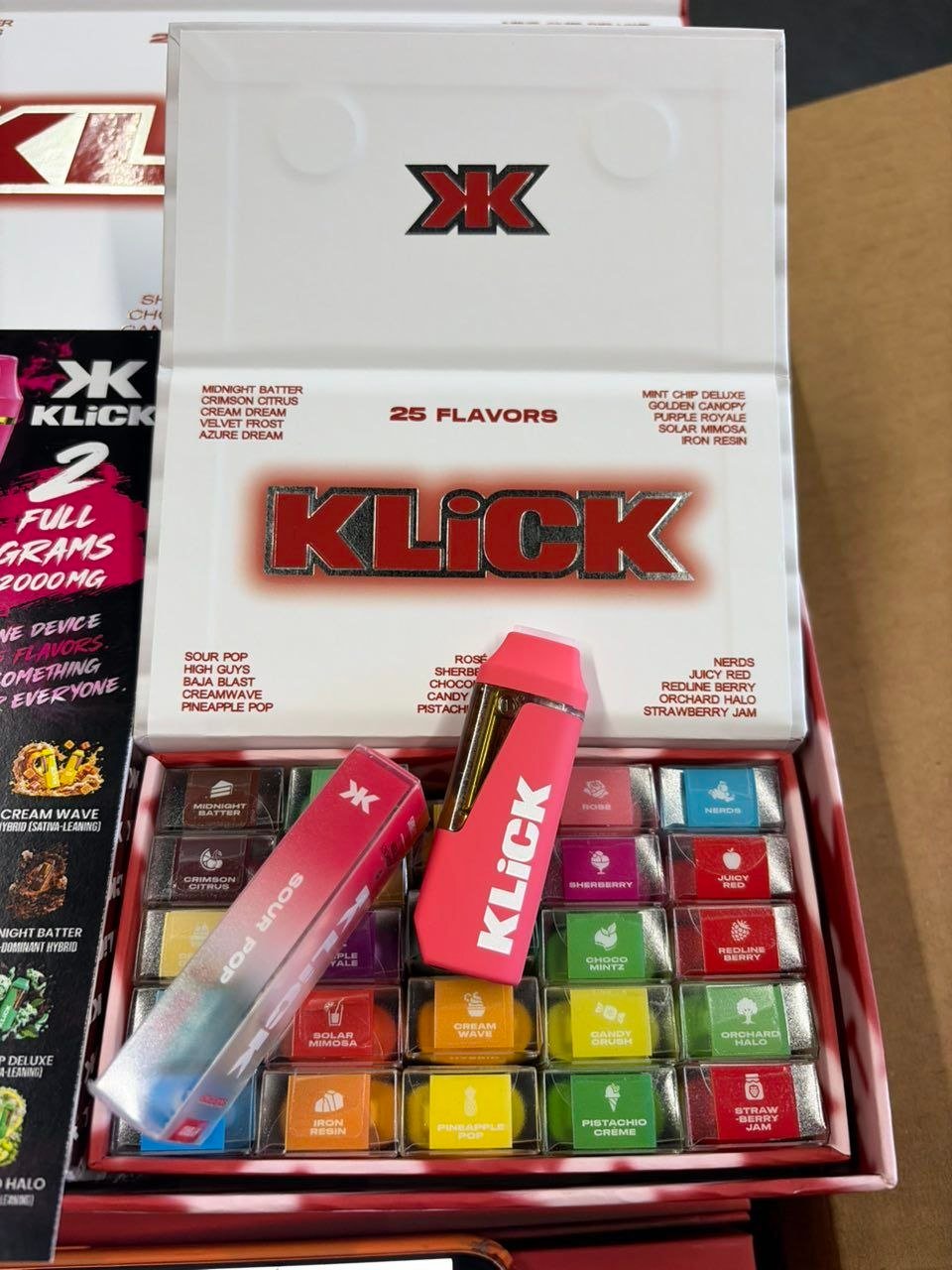
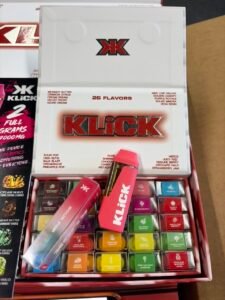
The Klick 2G Disposable is a compact, all-in-one disposable vaping device designed for convenience and portability. The device combines a prefilled reservoir, integrated battery, and inhalation–activated operation in a single unit. Because it arrives ready for use, no assembly, refilling, or charging procedures may be required depending on the specific model.
Design and Construction
The device features a lightweight design intended for portability. Its compact form factor allows it to fit easily into pockets, bags, and small storage compartments. Many disposable devices in this category are manufactured with an ergonomic mouthpiece and a streamlined exterior that supports comfortable handling.
The housing is typically constructed from durable materials selected to protect the internal components during normal day-to-day use. The simple exterior design also reduces the number of moving parts and contributes to ease of operation.
Capacity
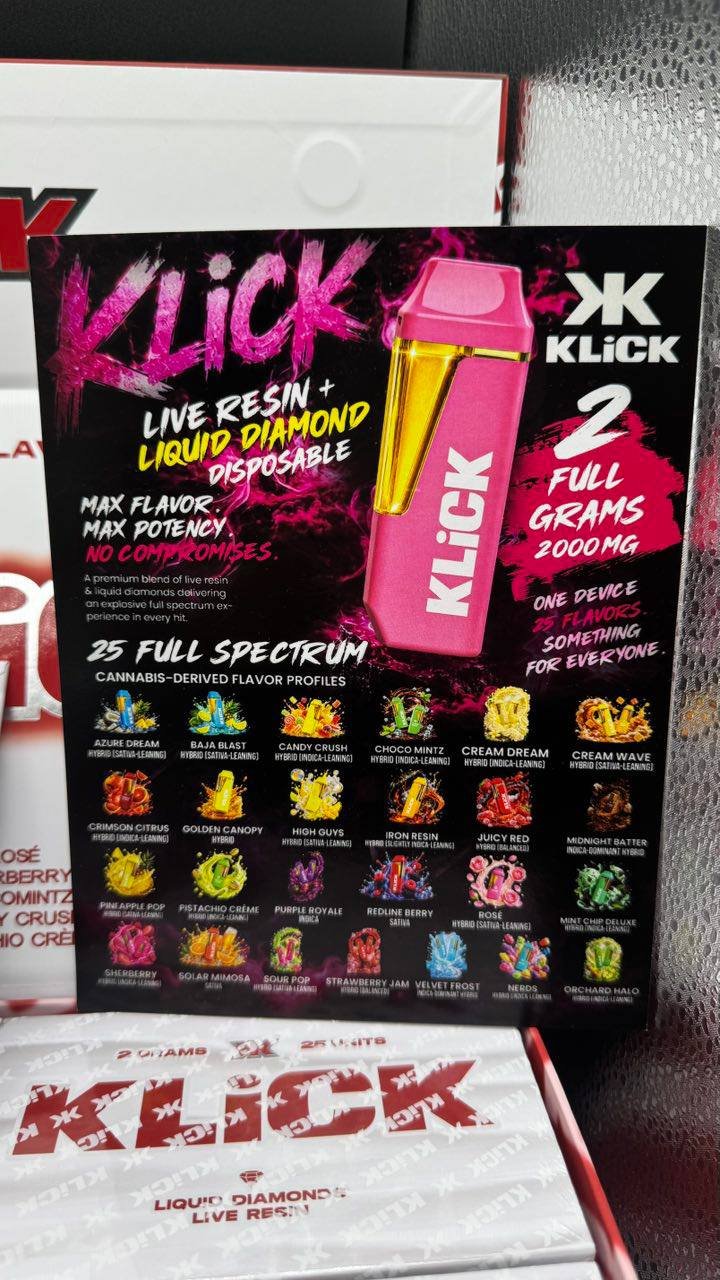
A primary characteristic of the Klick 2G Disposable is its 2-gram capacity. This larger capacity distinguishes it from smaller disposable devices and may provide extended use before disposal becomes necessary.
Actual longevity varies depending on individual usage patterns, inhalation frequency, environmental conditions, and device specifications.
Battery System
The integrated battery powers the heating element responsible for vapor production. Battery performance may differ among product versions and manufacturing batches.
Many disposable devices utilize automatic draw activation, meaning the device activates when the user inhales through the mouthpiece. This design eliminates the need for buttons and simplifies operation.
Portability
Portability remains one of the defining features of disposable devices. The Klick 2G Disposable is intended for individuals seeking a compact and self-contained device.
Its lightweight structure allows for convenient transportation while minimizing the need for additional accessories.
User Experience
The overall user experience depends on factors such as airflow design, heating efficiency, formulation consistency, and battery performance. Device manufacturers often focus on maintaining consistent vapor production throughout the usable lifespan of the product.
Performance can vary between different batches, operating conditions, and usage habits.
Flavor Options
Availability of flavor varieties depends on regional regulations, manufacturer offerings, and retailer inventory. Product selections may differ significantly across locations and markets.
Consumers should review local product information and ingredient disclosures when available.
Maintenance Requirements
One advantage commonly associated with disposable devices is minimal maintenance. Because the device is designed as a self-contained unit, users generally do not need to replace coils, refill reservoirs, or perform extensive cleaning procedures.
Proper storage may help preserve device performance during its intended lifespan.
Storage Considerations
For optimal preservation, disposable devices are commonly stored in cool, dry environments away from direct sunlight and excessive heat. Extreme temperatures may affect battery performance and overall functionality.
Following manufacturer recommendations can help maintain product integrity.
Safety Information
Users should always review manufacturer instructions, warnings, and local regulations before using any vaping product. Products containing nicotine or other regulated substances may carry health risks and age restrictions.
Devices should be kept away from children and pets. Damaged batteries, overheating, or product malfunctions should be addressed according to manufacturer guidance.
Environmental Considerations
Disposable devices contain electronic components and batteries that may require special disposal procedures. Local recycling programs or electronic waste collection services may provide guidance regarding responsible disposal practices.
Consumers are encouraged to follow regional waste-management requirements.
The Klick 2G Disposable is a compact disposable vaping device that combines portability, integrated functionality, and a larger-capacity design within a single unit. Features such as its self-contained construction, simplified operation, and minimal maintenance requirements contribute to its role within the disposable vape category. Product specifications, availability, and performance characteristics may vary depending on the manufacturer, region, and specific model version.
Technology Behind Disposable Devices
Disposable vaping devices utilize several integrated components that work together to produce vapor. These components commonly include a battery, a heating element, a reservoir, airflow channels, and an outer housing. The heating element converts electrical energy into heat, which then vaporizes the material contained within the device.
Manufacturers continue to refine heating technology to improve consistency and efficiency. Advances in battery management and airflow engineering have also influenced the development of modern disposable devices.
Manufacturing Standards
Production standards vary among manufacturers and regions. Reputable manufacturers often implement quality-control procedures during sourcing, assembly, testing, and packaging stages. These procedures may include battery testing, leak prevention measures, and performance verification.
Consumers interested in product quality often review available laboratory reports, ingredient disclosures, and compliance information when such documentation is provided.
Packaging Features
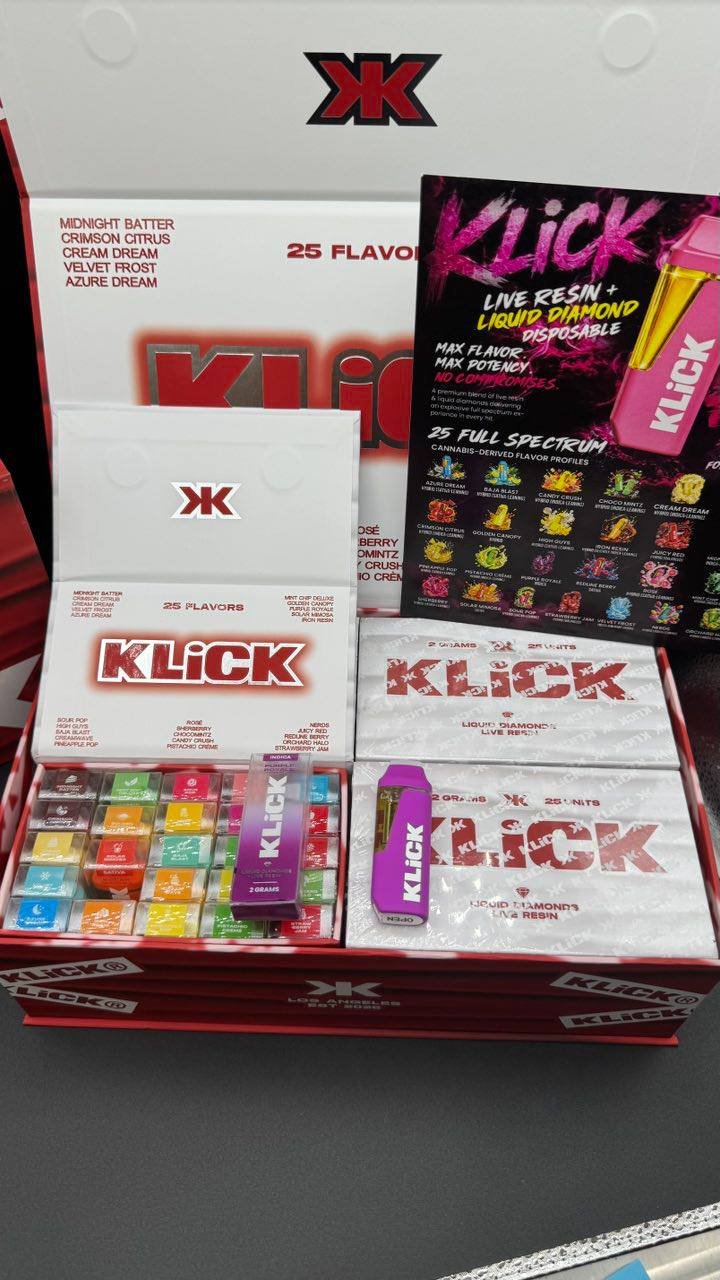
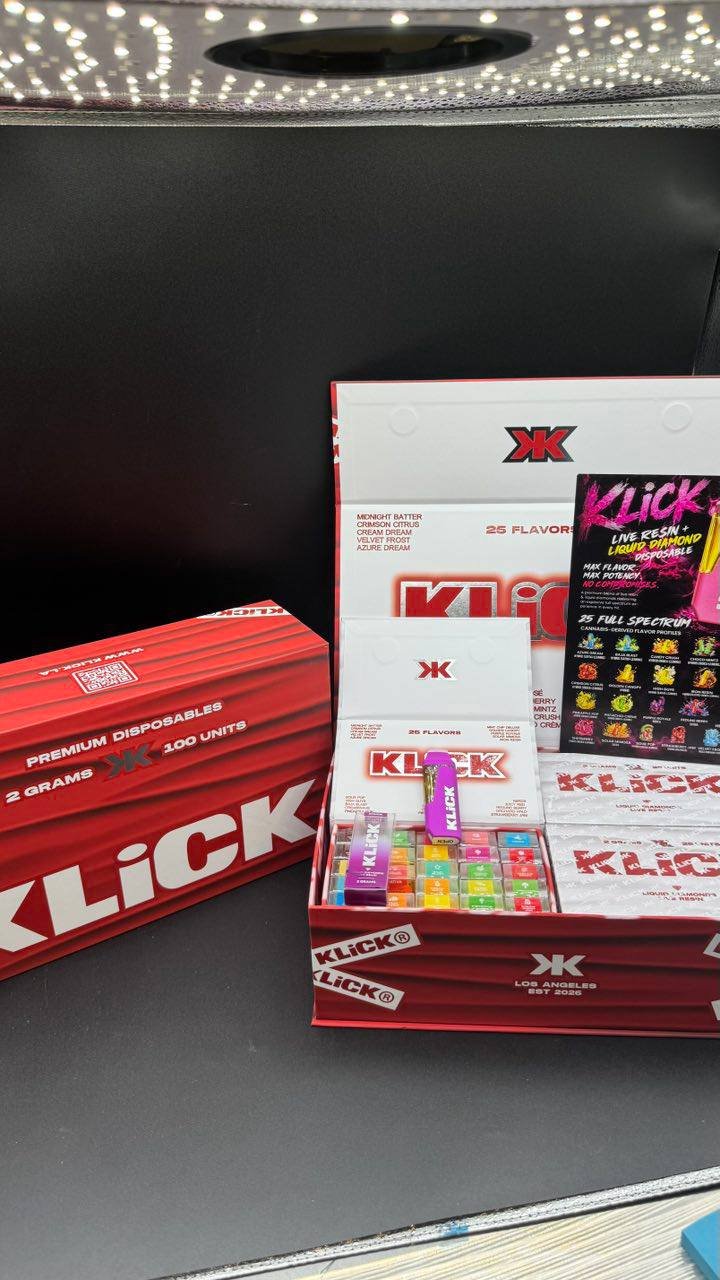
Packaging serves several purposes beyond product presentation. It helps protect the device during shipping and storage while also providing important information. Product packaging may contain ingredient details, batch numbers, safety warnings, usage information, and regulatory disclosures.
Tamper-evident features are sometimes incorporated to help verify product integrity before use.
Factors That Influence Performance
Several factors can affect the performance of a disposable vaping device. Environmental temperature, storage conditions, battery condition, and inhalation patterns may all contribute to variations in operation.
Cold temperatures can affect battery efficiency, while excessive heat may impact component longevity. Proper storage conditions can help maintain device functionality throughout its intended lifespan.
Product Variations
Disposable devices are available in numerous configurations across the marketplace. Variations may include differences in capacity, dimensions, airflow characteristics, battery size, and formulation options.
Because specifications differ among manufacturers, users should consult product documentation for details relevant to a particular model.
Industry Trends
The vaping industry continues to evolve in response to technological innovation, consumer preferences, and regulatory developments. Manufacturers regularly introduce updated device designs intended to improve portability, consistency, and ease of use.
In addition, sustainability discussions have encouraged exploration of recycling initiatives and alternative product formats. These developments continue to shape the broader landscape of disposable vaping products.
Regulatory Considerations
Regulations governing vaping products vary significantly across jurisdictions. Requirements may address manufacturing practices, packaging standards, labeling, marketing restrictions, age limitations, and product composition.
Consumers should remain aware of local laws and regulations applicable to vaping products within their region.
Frequently Asked Questions
What does “2G” refer to?
The term “2G” generally refers to a two-gram capacity. Specific measurements and formulations can vary depending on the manufacturer and product category.
Is maintenance required?
Disposable devices are typically designed to minimize maintenance requirements because the primary components are integrated into a single unit.
How should the device be stored?
Storage in a cool, dry environment away from direct sunlight and excessive heat is commonly recommended.
Do specifications vary between models?
Yes. Capacity, battery performance, dimensions, and other characteristics may vary depending on the specific product version and manufacturer.
The Klick 2G Disposable represents a category of portable, self-contained vaping devices that combine integrated components into a compact format. Features such as a larger-capacity design, simplified operation, and minimal maintenance contribute to the product category’s popularity among adult consumers where such products are legally available. As with any vaping product, users should review manufacturer documentation, follow applicable regulations, and consider available safety information before use.
Understanding Device Lifespan
The lifespan of a disposable vaping device depends on several variables. Capacity, battery efficiency, storage conditions, and individual usage patterns all contribute to overall longevity. While larger-capacity devices are generally designed to provide extended use compared with smaller alternatives, actual results differ from person to person.
Manufacturers often estimate usage ranges under standardized conditions. Real-world performance, however, may vary because inhalation frequency and duration influence consumption rates.
Airflow Design
Airflow systems play an important role in the operation of disposable devices. Air enters through designated intake channels and travels through the internal structure before reaching the mouthpiece. This process supports vapor production and influences the overall experience.
Different airflow configurations may result in varying levels of resistance during inhalation. Product designs frequently balance airflow efficiency with portability and component protection.
Battery Efficiency
Battery technology has evolved significantly in recent years. Modern disposable devices often incorporate compact batteries capable of supporting consistent operation throughout much of the device’s intended lifespan.
Battery performance may be affected by environmental conditions. Extremely cold temperatures can reduce efficiency, while prolonged exposure to excessive heat may impact component stability. Proper storage helps maintain optimal operating conditions.
Quality Assurance Processes
Quality assurance procedures are commonly implemented throughout manufacturing and packaging operations. These processes may include inspections of raw materials, assembly verification, leak testing, and performance evaluation.
The extent of testing varies among manufacturers. Consequently, consumers often seek information regarding production standards and compliance measures when evaluating products.
Transportation and Storage
During transportation, products may experience changes in temperature, humidity, and pressure. Packaging is designed to help protect devices from these conditions during distribution.
Long-term storage recommendations typically emphasize maintaining stable environmental conditions. Excessive moisture, direct sunlight, and extreme temperatures may affect product performance over time.
Consumer Awareness
Consumers frequently research product specifications before making purchasing decisions. Common areas of interest include device capacity, battery design, portability, manufacturing standards, and ingredient transparency.
Access to accurate product information helps individuals better understand the characteristics of the products available in their market.
Packaging Information
Product packaging often contains important details intended to inform consumers. These details may include:
- Product identification information
- Manufacturing or batch codes
- Safety notices
- Storage recommendations
- Regulatory disclosures
- Ingredient information when applicable
Reviewing packaging information can provide useful insight into product specifications and manufacturer guidance.
Environmental Responsibility
Disposable electronic products contribute to electronic waste streams because they contain batteries and other components that require special handling. Recycling programs and electronic waste collection services may assist with responsible disposal.
Many regions continue to explore methods for improving battery recovery and recycling efficiency. These initiatives aim to reduce environmental impact while encouraging proper disposal practices.
Product Categories Within the Disposable Market
The disposable vaping category includes a wide range of products with varying characteristics. Differences may involve device size, capacity, battery configuration, airflow systems, and construction materials.
As technology advances, manufacturers continue introducing new designs intended to improve reliability, portability, and manufacturing consistency.
Future Developments
Ongoing research and development efforts focus on battery technology, material science, quality control systems, and sustainability initiatives. Future products may incorporate improvements in efficiency, durability, and environmental management.
Regulatory developments will likely continue influencing product design and manufacturing standards. Consequently, the disposable vaping market may evolve in response to changing requirements and consumer expectations.
Summary
The Klick 2G Disposable belongs to a category of compact electronic devices designed to integrate multiple components into a single, self-contained unit. Capacity, portability, battery technology, airflow engineering, and manufacturing practices all contribute to overall product characteristics. Understanding these factors helps provide a broader perspective on how disposable vaping devices are designed, manufactured, distributed, and used within regulated markets.
Device Components Explained
A disposable vaping device contains several interconnected components that function together as a single system. Although designs differ among manufacturers, most products include a power source, a heating mechanism, airflow pathways, and an enclosed reservoir.
The battery supplies energy to the heating element when the device is activated. The heating element then raises the temperature of the material within the reservoir, producing vapor that travels through the airflow channel to the mouthpiece.
Because these components are integrated into one housing, disposable devices generally require fewer user interactions than refillable alternatives.
Material Selection
Manufacturers use a variety of materials during production. Housing materials are selected for durability and weight considerations, while internal components are chosen based on electrical, thermal, and structural requirements.
Material selection influences product longevity, portability, and resistance to normal wear during transportation and storage. Consequently, engineering decisions regarding materials play an important role in overall product design.
Product Consistency
Consistency is an important consideration within manufacturing environments. Production facilities often implement procedures intended to reduce variations between units.
These procedures may include equipment calibration, inspection protocols, and batch verification systems. As a result, manufacturers aim to maintain similar performance characteristics across production runs.
Supply Chain Considerations
The production of electronic consumer devices involves multiple stages within a broader supply chain. Raw materials are sourced, components are manufactured, devices are assembled, and finished products are distributed through various channels.
Supply chain efficiency can influence product availability, delivery schedules, and inventory management. Additionally, regulatory requirements may affect sourcing and distribution practices in different regions.
Consumer Education
Educational resources help consumers understand product features and limitations. Manufacturers, retailers, and regulatory agencies may provide information covering safety, storage, disposal, and product specifications.
Well-informed consumers are generally better positioned to evaluate product information and make decisions based on available facts rather than assumptions.
Industry Compliance
Compliance requirements vary according to jurisdiction. Regulations may address manufacturing standards, ingredient disclosures, product testing, labeling requirements, and age restrictions.
Companies operating within regulated markets typically adapt their processes to meet applicable standards. Therefore, compliance remains an important aspect of product development and distribution.
Research and Innovation
Innovation continues to influence the design of disposable electronic devices. Researchers and engineers explore new manufacturing techniques, battery technologies, and component configurations that may improve efficiency and reliability.
At the same time, sustainability initiatives encourage examination of recycling solutions and waste-reduction strategies. These efforts contribute to ongoing discussions regarding the future direction of the industry.
Public Health Discussions
Vaping products remain the subject of ongoing public health research and policy discussions. Researchers continue studying usage patterns, product characteristics, consumer behavior, and long-term effects.
Because scientific understanding evolves over time, regulatory agencies and public health organizations regularly review emerging evidence and update guidance when necessary.

Disposal Best Practices
Responsible disposal helps reduce environmental impact associated with electronic products. Since disposable devices contain batteries and electronic components, they should not automatically be treated as ordinary household waste where local regulations require specialized disposal.
Consumers may benefit from consulting local recycling programs, electronic waste facilities, or municipal waste-management services for current guidance.
Concluding Remarks
Disposable vaping devices represent a distinct category of consumer electronics that combine portability, integrated design, and simplified operation. The Klick 2G Disposable illustrates many characteristics commonly associated with this category, including compact construction, self-contained functionality, and larger-capacity design considerations. Understanding manufacturing processes, device components, storage practices, regulatory frameworks, and environmental considerations provides a more comprehensive perspective on how these products fit within the broader marketplace.



Reviews
There are no reviews yet.